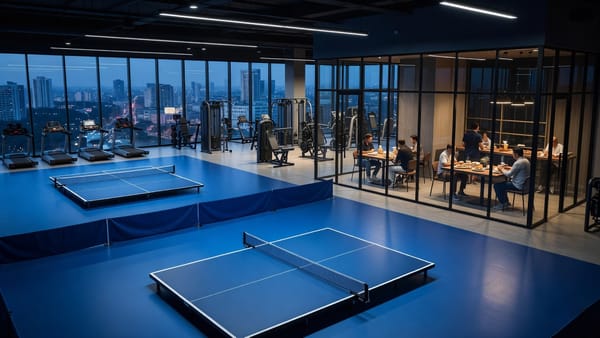



Table Tennis Strength: Beyond the Ping Pong Table
Hello, my dear friends! As someone who deeply cherishes the quiet moments of self-reflection post-workout, I've often found parallels between different forms of physical activity and the inner strength they cultivate. Today, I want to talk about a sport that might seem lighthearted on the surface but demands incredible physical prowess: table tennis. We often think of it as a game of quick reflexes and steady hands, but beneath the swift exchanges lies a profound need for robust physical conditioning. It's time we look beyond the ping pong table and understand how strategic strength training can truly build unbeatable table tennis performance.
In recent years, I've noticed a fascinating trend in fitness communities and sports science research, highlighted by growing interest in sport-specific conditioning. Athletes are no longer content with general fitness; they're seeking targeted training that directly translates to their performance on the court, field, or in this case, at the table. This holistic approach to wellness, where the gym and the court become interconnected pathways to improvement, is something I'm incredibly passionate about.
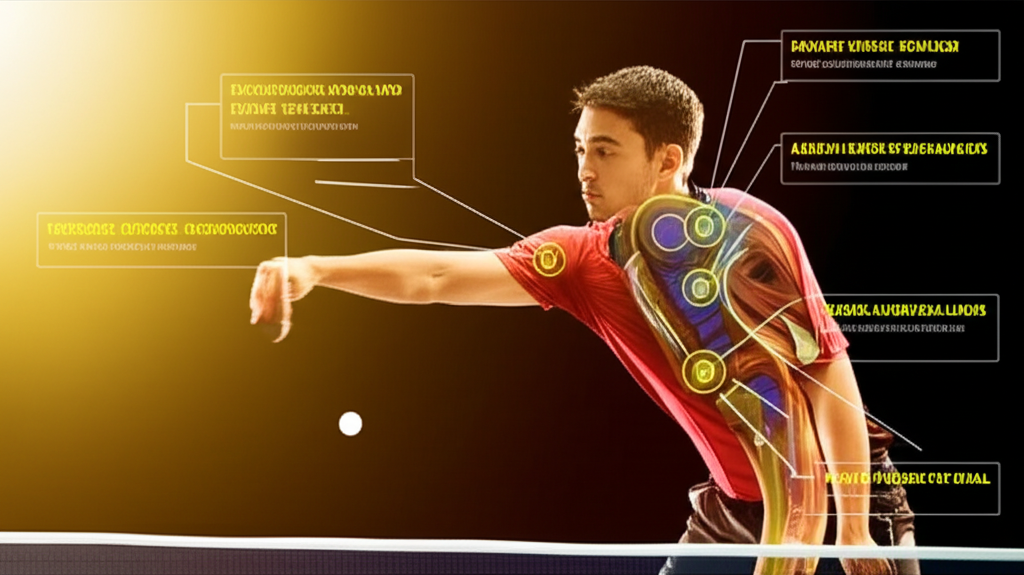
Modern table tennis is a whirlwind of explosive movements, precise rotations, and the constant need for stable, resilient joints. The sheer speed of the game demands that players generate immense power from a seemingly small range of motion, all while maintaining an almost impossibly low center of gravity. This isn't just about hitting the ball hard; it's about doing so repeatedly, with accuracy, under immense pressure.
Deconstructing the Physical Demands of Elite Table Tennis
Let's break down what really makes a table tennis player excel physically. It's a symphony of coordinated movements that require specific muscular strengths and endurance.
Explosive Power: The Engine of Your Game
Every serve, every smash, every aggressive forehand relies on the ability to generate rapid force. This isn't just leg power; it's a full-body kinetic chain reaction. Think about the quick footwork to get into position, the powerful torso rotation, and the whip-like action of the arm. Without explosive power, your shots will lack penetration, and you'll struggle to dictate play.
Rotational Strength: The Core of Your Attacks
Table tennis is a game of rotation. From the hips to the shoulders, controlled, powerful twisting is essential for generating spin and power. A weak core or underdeveloped obliques can lead to inefficient movements, reduced shot power, and an increased risk of injury. The ability to powerfully rotate and then decelerate that rotation is key to both offense and defense.
Resilient Stabilizers: The Unsung Heroes
While the big, explosive muscles get the glory, the often-overlooked stabilizer muscles are crucial for performance and injury prevention. These smaller muscles around your joints, particularly your shoulders, hips, and ankles, work tirelessly to maintain balance, control movement, and absorb impact. In table tennis, where you're constantly shifting weight, lunging, and reacting, strong stabilizers are your best defense against sprains and strains.
The Strength Regimen: Building Your Table Tennis Physique
Now, let's translate these demands into a practical strength training program. The goal here is not to become a bodybuilder, but to build functional strength that directly enhances your table tennis skills. Remember, consistency is key, and listening to your body is paramount - this is where self-care truly shines!
1. Medicine Ball Rotational Throws: Unleash Your Inner Powerhouse
Biomechanics Benefit: Mimics the explosive rotational movement used in powerful strokes like smashes and forehand drives. It trains your core, obliques, and shoulders to work together for maximum velocity. These throws teach you to transfer energy efficiently from your lower body, through your core, and into your arm, just like a powerful table tennis shot.
How to do it: Stand with your feet shoulder-width apart, holding a medium-weight medicine ball. Rotate your torso away from the target, loading your hips and shoulders. Then, explosively rotate back towards the target, throwing the ball against a sturdy wall or with a partner. Focus on a fluid, powerful motion. Start with lighter weights and focus on form.
2. Rotational Cable Chops: Master Controlled Power
Biomechanics Benefit: This exercise is fantastic for developing controlled rotational strength, crucial for spin generation and precise shot placement. It emphasizes the deceleration phase of the rotation, which is vital for preventing injury and maintaining balance after a shot. The cable provides accommodating resistance, meaning the tension increases as you extend, mirroring the peak force needed.
How to do it: Set a cable machine to chest height. Stand perpendicular to the machine, holding the handle with both hands. Step away slightly to create tension. Keeping your arms relatively straight, rotate your torso across your body, pulling the handle from one side to the other, simulating a chopping motion. Control the movement as you return to the start.
3. Single-Leg Squats (Pistol Squats or Variations): Stability and Leg Power
Biomechanics Benefit: Table tennis requires incredible balance and unilateral leg strength. You're constantly pushing off one leg, lunging, and recovering. Single-leg exercises challenge your balance, strengthen your quadriceps, hamstrings, and glutes, and, crucially, engage your ankle and hip stabilizers to maintain control.
How to do it: You can start with assisted single-leg squats, holding onto a stable object. Progress to regular single-leg squats, or even pistol squats if you have the strength and mobility. Focus on a deep, controlled descent and an explosive ascent. Ensure your knee tracks over your toes.
4. Pallof Press: Anti-Rotation Strength
Biomechanics Benefit: While many movements involve rotation, the ability to resist unwanted rotation is equally important. The Pallof press strengthens your anti-rotational core muscles, which are vital for maintaining a stable base during rapid changes in direction and powerful strokes. This prevents energy leaks and helps protect your spine.
How to do it: Set a cable machine or resistance band at chest height. Stand perpendicular to the anchor point, holding the handle or band with both hands directly in front of your chest. Step away to create tension. Keeping your core engaged, press your hands straight out in front of you, resisting the pull of the band to rotate your torso. Hold for a moment, then slowly return. You should feel your obliques and deep core muscles working hard to keep you stable.
5. Kettlebell Swings: Explosive Hip Hinge
Biomechanics Benefit: This is a powerhouse exercise for developing explosive hip extension, which is the foundation of much of the power in table tennis. It engages your glutes, hamstrings, and lower back, and also works your shoulders and core as stabilizers. The rhythmic nature of the swing also builds endurance.
How to do it: Stand with your feet slightly wider than shoulder-width apart, holding a kettlebell with both hands. Hinge at your hips, letting the kettlebell hang between your legs, keeping your back straight. Drive through your hips and glutes to explosively stand up, swinging the kettlebell forward to chest or eye level. Let gravity bring the kettlebell back down as you hinge again.
6. Plank Variations (Side Plank, Plank with Leg Lift): Core Resilience
Biomechanics Benefit: Essential for overall core stability, which underpins all movements in table tennis. Side planks specifically target the obliques, crucial for rotational power and control. Adding leg lifts to planks challenges your core's ability to stabilize your body while limbs are in motion, a direct parallel to the demands on the court.
How to do it: For a standard plank, hold your body in a straight line from head to heels, supported on your forearms and toes. For a side plank, support yourself on one forearm and the side of your foot, keeping your body in a straight line. For added challenge, lift the top leg. Hold each variation for time, focusing on maintaining a rigid core.
My Own Journey with Strength and Stability
I remember when I first started focusing on my own well-being and recovery. For about four years, I was very focused on yoga and meditation, which are wonderful for flexibility and inner peace. However, when I decided to get more serious about my fitness and explore sports like badminton (which shares some similar explosive, rotational demands with table tennis), I realized my body lacked the underlying strength. I was often feeling fatigued and experiencing minor aches after intense sessions. It was through incorporating targeted strength training, like the exercises I've mentioned, that I truly felt a transformation. My recovery times improved dramatically, and I felt a newfound sense of power and stability, not just in my physical movements but in my overall confidence. It's a beautiful reminder that our physical selves are intricately connected to our mental and emotional resilience.
"True athletic prowess isn't just about talent; it's about the intelligent cultivation of a resilient, powerful body that can withstand the demands of the game, ensuring longevity and sustained performance."
Integrating Strength for Longevity and Injury Prevention
This integrated approach-combining the finesse of table tennis with the foundational strength from the gym-is not just about winning more matches. It's about playing the sport you love for years to come. By building stronger muscles, more stable joints, and a more resilient core, you significantly reduce your risk of common sports injuries like ankle sprains, knee pain, and lower back issues.
Consider the data:
| Sport & Injury Type | General Population (Approx.) | Strength-Trained Athletes (Approx.) |
|---|---|---|
| Ankle Sprains | 1 in 10 athletes per season | 1 in 25 athletes per season |
| Knee Pain (Non-contact) | 8% experience | 3% experience |
| Lower Back Strain | 15-20% experience | 5-8% experience |
*Note: These are approximate figures based on general sports science observations and may vary by specific studies and methodologies. Comprehensive strength and conditioning programs are shown to significantly reduce injury incidence.
This data, while general, points to a clear trend: robust physical preparation leads to a lower incidence of injuries. When your body is strong and balanced, it can better handle the stresses and strains of dynamic movements, allowing you to perform at your peak for longer.
Key Takeaways for Your Training Journey
To sum it up, integrating strength training into your table tennis routine offers a wealth of benefits:
- Enhanced Explosive Power for aggressive shots.
- Improved Rotational Strength for better spin and control.
- Greater Stability and Balance for quick footwork and recovery.
- Significant Reduction in Injury Risk for long-term play.
- Increased Overall Athleticism and confidence on the court.
This isn't about overhauling your life overnight. It's about making small, consistent, and informed changes. Perhaps starting with one or two strength sessions a week, focusing on form and proper execution. As you grow stronger, you'll notice the difference not just on the table, but in your overall sense of well-being. This commitment to your physical self is a profound act of self-care.
So, I encourage you, my dear players and fitness enthusiasts, to think beyond the immediate game. Consider the foundational strength that will propel your table tennis performance to new heights and ensure you can enjoy this dynamic sport for years to come. Embrace the power of the gym to amplify your prowess on the court. It's an investment in yourself, your game, and your lasting well-being.
What are your favorite strength exercises that have helped your game? Share them in the comments below! Let's build a stronger, more resilient community, one powerful stride at a time.