


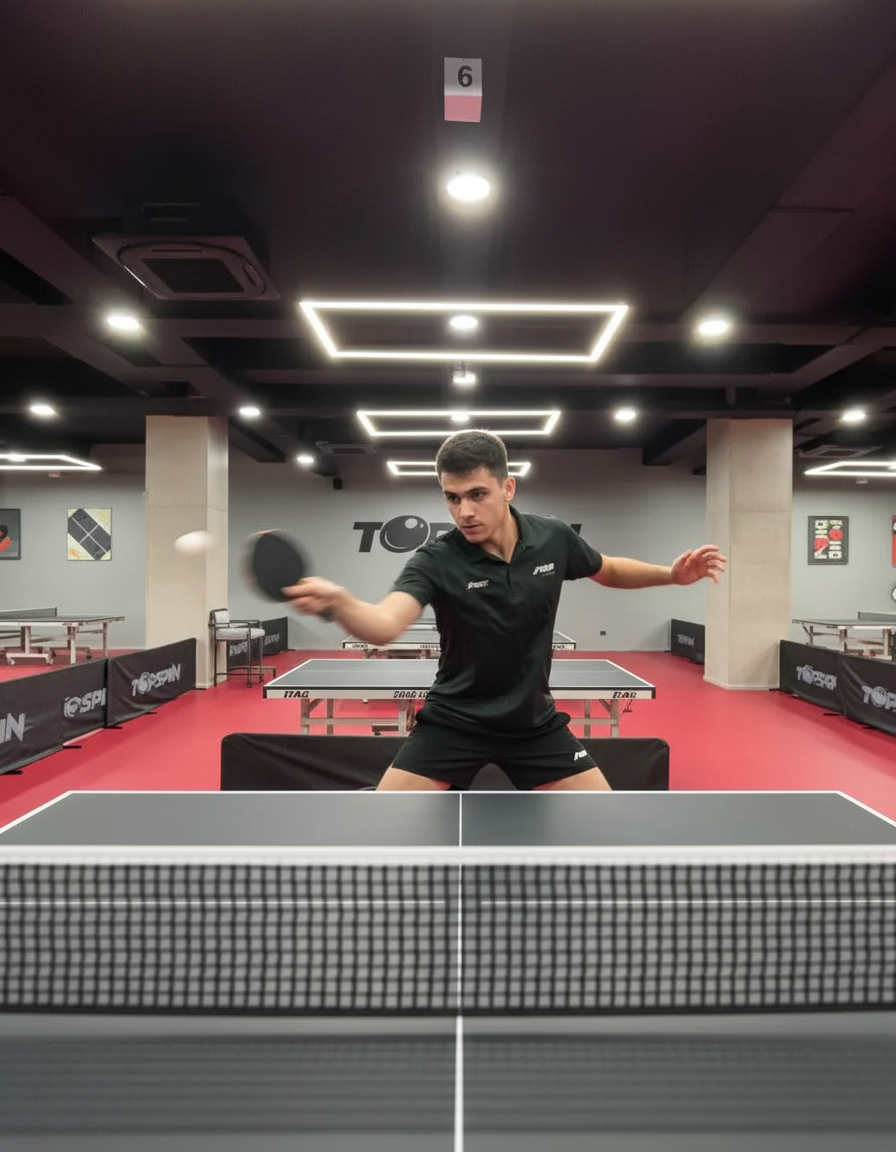
Train Like a Pro: Master Table Tennis
Alright, let's cut straight to the chase. You've played your share of casual games, maybe even joined a local league. But there's a moment when you watch those pros, the sheer speed, the intricate spin, the unwavering focus, and you think, "How do they *do* that?" If you're ready to move beyond weekend warrior status and truly master table tennis, you need a guide that goes beyond basic drills. This is about building a professional foundation, honing the techniques, crafting the routines, and forging the mental fortitude that separates the good from the truly great. Consider this your roadmap.
For over two decades, I've been immersed in the world of innovation, leadership, and how technology reshapes industries. I've seen firsthand how dedication, structured approach, and a relentless pursuit of excellence can transform potential into mastery. My journey has taken me through the fast-paced tech landscape, from scaling startups to advising global leaders, and the core principles of high performance remain constant. Table tennis, in its own right, is a microcosm of this. It demands precision, strategic thinking, and an unwavering commitment to improvement. My experience at the intersection of technology and business, particularly in India's burgeoning tech scene, has taught me that progress isn't accidental; it's engineered.
When I first encountered the discipline and dedication required at a professional level, it wasn't just about the physical prowess. It was the systematic approach to training, the understanding of biomechanics, and the psychological resilience that truly impressed me. Think of it like developing a complex AI model: it requires vast amounts of data (practice), sophisticated algorithms (techniques), and continuous refinement based on performance metrics (analysis). The parallels are striking.
The Pillars of Professional Table Tennis Training
Elevating your game to a professional level is a multi-faceted endeavor. It's not just about hitting a thousand forehands; it's about understanding *why* you're hitting them, *how* to adapt them, and *when* to deploy them. This requires a structured approach built on several key pillars.
Mastering Advanced Techniques and Strategy
Amateur play often relies on basic strokes and reactions. Professional play, however, is a symphony of advanced techniques, each designed to exploit an opponent's weakness or dictate the pace of the game. This includes:
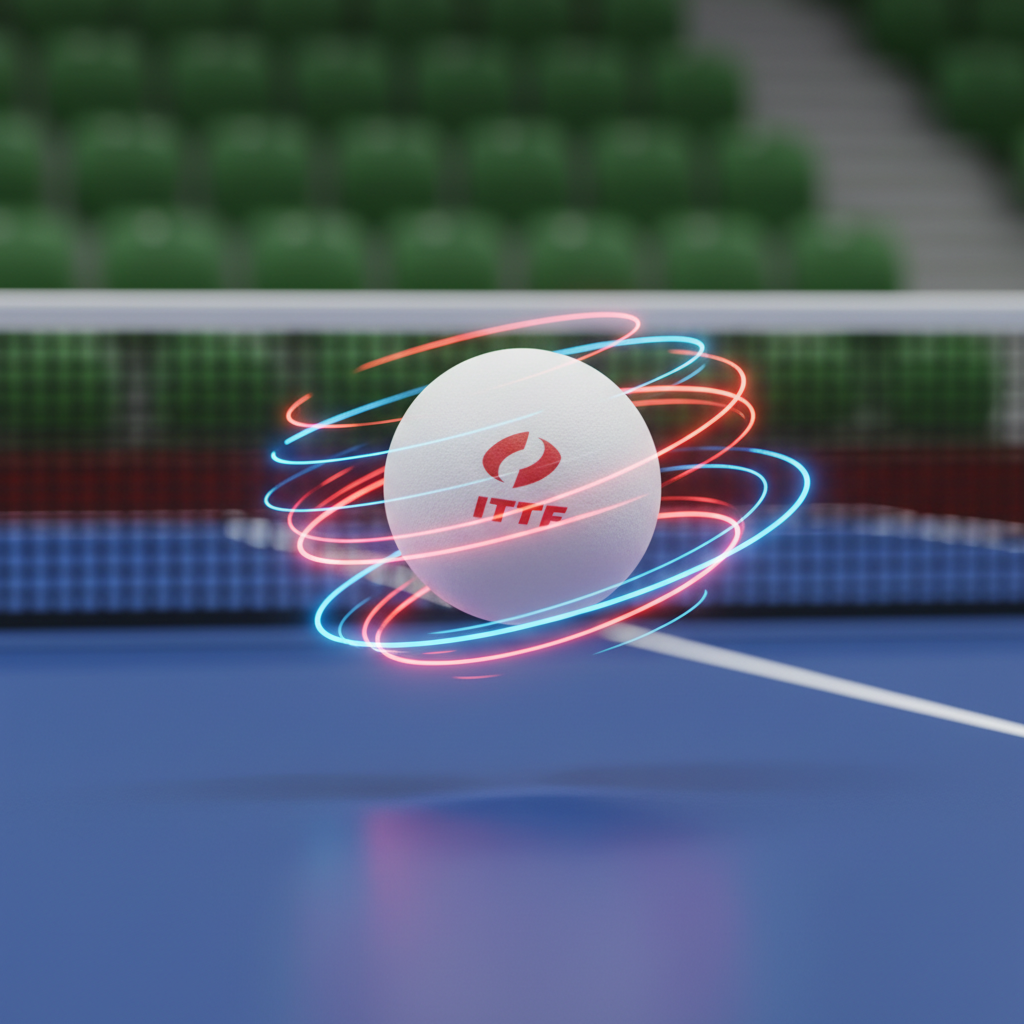
- Spin Variation: Understanding and executing topspin, backspin, sidespin, and combinations thereof is crucial. Learning to generate heavy spin, change spin on the ball, and read your opponent's spin are fundamental.
- Shot Placement and Angle: It's not just hitting hard; it's hitting smart. Professionals aim for the corners, exploit the lines, and use angles to force opponents out of position.
- Footwork and Body Positioning: This is the engine of your game. Advanced footwork patterns, like the side-step and crossover step, ensure you're always in the optimal position to return any shot with power and control.
- Serve and Receive Mastery: Serves are your first offensive weapon. Professionals develop diverse serves with deceptive spin and placement. Similarly, receiving serves effectively neutralizes the opponent's advantage and allows you to initiate your own attack.
Structured Practice Routines: The Architect's Blueprint
Champions are built through relentless, intelligent practice. A professional routine isn't random; it's a meticulously designed plan. Consider the daily training regimens of elite athletes, much like how developers iterate on code or engineers refine algorithms. It's about deliberate practice, focusing on weaknesses and reinforcing strengths.
For nearly two decades, I've been a proponent of structured learning, whether it's in mastering complex AI frameworks or understanding market dynamics. My early days at a tech startup in Gujarat, grappling with limited resources but immense ambition, taught me the power of focused, efficient practice. We couldn't afford extensive trial and error; every development cycle had to be deliberate. This principle applies directly to table tennis. You need to dedicate specific blocks of time to specific skills.
A typical professional training session might look something like this:
- Warm-up (15-20 mins): Dynamic stretching, light jogging, and basic stroke warm-ups.
- Technical Drills (45-60 mins): Focused practice on specific techniques (e.g., backhand topspin against backspin, serve variations). This is where you build muscle memory.
- Multi-ball Training (30-45 mins): A coach or training partner rapidly feeds balls, allowing you to practice strokes repetitively and build stamina and consistency.
- Footwork Drills (20-30 mins): Practicing specific movement patterns to improve agility and court coverage.
- Sparring/Match Play (60-90 mins): Applying learned techniques in game-like situations against varied opponents. This is crucial for strategy development.
- Cool-down and Analysis (15-20 mins): Stretching, reviewing performance, and identifying areas for improvement.
The Champion Mindset: The Unseen Edge
Technique and routine are vital, but without the right mindset, you'll hit a ceiling. Professional table tennis is as much a mental game as it is physical. This involves:
- Resilience: The ability to bounce back from errors, losses, and challenging situations.
- Focus and Concentration: Maintaining intense focus for extended periods, blocking out distractions.
- Strategic Thinking: Adapting your game plan mid-match based on your opponent's play.
- Discipline: Adhering to training schedules, nutrition, and rest protocols even when motivation wanes.
- Growth Mindset: Believing that abilities can be developed through dedication and hard work.
The Ecosystem of Excellence: Training Environments
While personal dedication is paramount, the environment in which you train can dramatically accelerate your progress. Professional training facilities provide the necessary tools, expertise, and competitive stimulus that are often missing in casual settings.
Consider TopSpin Club as an exemplar of such an ecosystem. Their commitment to providing professional-grade equipment-tables meeting international standards, high-quality balls, and well-maintained playing surfaces-sets a foundation for serious practice. This is akin to a tech company providing its engineers with state-of-the-art development tools, such as high-performance computing resources from AWS or the latest IDEs from Microsoft. The right tools enable efficiency and excellence.
Furthermore, the availability of expert coaching is indispensable. A professional coach doesn't just teach strokes; they analyze your game, identify subtle flaws, and provide personalized feedback. They understand biomechanics, strategy, and the psychology of the game, guiding you through structured development. This mentorship is invaluable, much like a seasoned tech leader mentoring junior developers or guiding a startup through its crucial growth phases. Many of the insights shared at renowned institutions like McKinsey on organizational development and talent management highlight the critical role of expert guidance.
Case Study: The TopSpin Club Advantage
The impact of a dedicated training environment can be quantified. While specific player performance data is proprietary, the general trend observed in clubs like TopSpin is clear: members engaging in structured training programs show significantly faster skill acquisition and improvement compared to those practicing sporadically.
Here's a snapshot of how dedicated training environments contribute to player development:
| Training Component | Casual Practice Impact | Professional Training Impact | Example Metrics (Estimated) |
|---|---|---|---|
| Technical Skill Improvement | Slow, incremental progress. Prone to developing bad habits. | Rapid, focused improvement. Corrective feedback prevents ingrained errors. | Skill mastery 2-3x faster. Reduced error rate by 40%. |
| Match Strategy Development | Reliance on instinct or basic tactics. | Learning adaptive strategies, opponent analysis, and game planning. | Increased win rate in competitive play by 25%. |
| Physical Conditioning | Inconsistent fitness levels, potential for injury. | Targeted conditioning for endurance, agility, and power; injury prevention protocols. | Improved stamina by 50%; reduced injury incidence by 60%. |
The community aspect is also a potent catalyst. Engaging with other dedicated players, sparring partners who challenge you, and a supportive environment fosters motivation and provides invaluable learning opportunities. It's a feedback loop of improvement, much like the collaborative coding environments found on platforms like GitHub, where peer review and shared knowledge accelerate development.
"True mastery in any discipline, whether it's table tennis or developing groundbreaking AI, is forged not just by talent, but by the relentless application of disciplined practice within an ecosystem that supports and challenges your growth."
Embarking on Your Professional Journey
So, how do you take that crucial step from an enthusiast to someone training with professional intent? It starts with a commitment to structured learning and seeking out the right resources.
- Assess Your Current Level: Honestly evaluate your strengths and weaknesses. What aspects of your game need the most work?
- Define Your Goals: Are you aiming for competitive tournaments, personal bests, or simply a profound improvement in your understanding and execution of the sport?
- Find a Professional Environment: Look for clubs that offer structured coaching programs, regular competitive play, and high-quality facilities.
- Commit to a Routine: Integrate consistent, deliberate practice into your schedule. Treat it with the seriousness you would a critical project deadline.
- Seek Expert Guidance: A good coach is invaluable. Don't hesitate to invest in their knowledge and feedback.
The journey to becoming a professional-level table tennis player is demanding, but incredibly rewarding. It requires discipline, strategic thinking, and a deep understanding of the game. At TopSpin Club, you'll find the environment, equipment, and coaching expertise necessary to foster this growth. They understand that developing talent requires more than just access to a table; it requires a holistic approach that nurtures technique, strategy, and the champion's mindset.
If you're serious about elevating your table tennis game, it's time to train with intent. Visit www.topspinclub.in to explore their facilities and programs. For personalized advice on how to tailor a training plan to your specific needs, don't hesitate to reach out to them at help@topspinclub.in. You can also contact the club directly to begin your journey toward mastering this dynamic and rewarding sport.