

Grip Strength: Your Secret Weapon for Performance & Wellness
Hey everyone! Dhruv Solanki here. So, I've been thinking a lot lately about what *really* makes an athlete tick. You see the big muscles, the flashy moves, but sometimes the smallest things make the biggest difference. Today, I want to talk about something super important, but often overlooked: grip strength.
Seriously, think about it. Whether you're smashing a forehand in table tennis, scaling a rock face, or even just holding onto your groceries, your grip is involved. It's this fundamental pillar of fitness that connects your body to the world around you. And guess what? It impacts everything from how much weight you can lift in the gym to how long you can stay injury-free. Let's dive into why your grip might be the secret weapon you never knew you had.
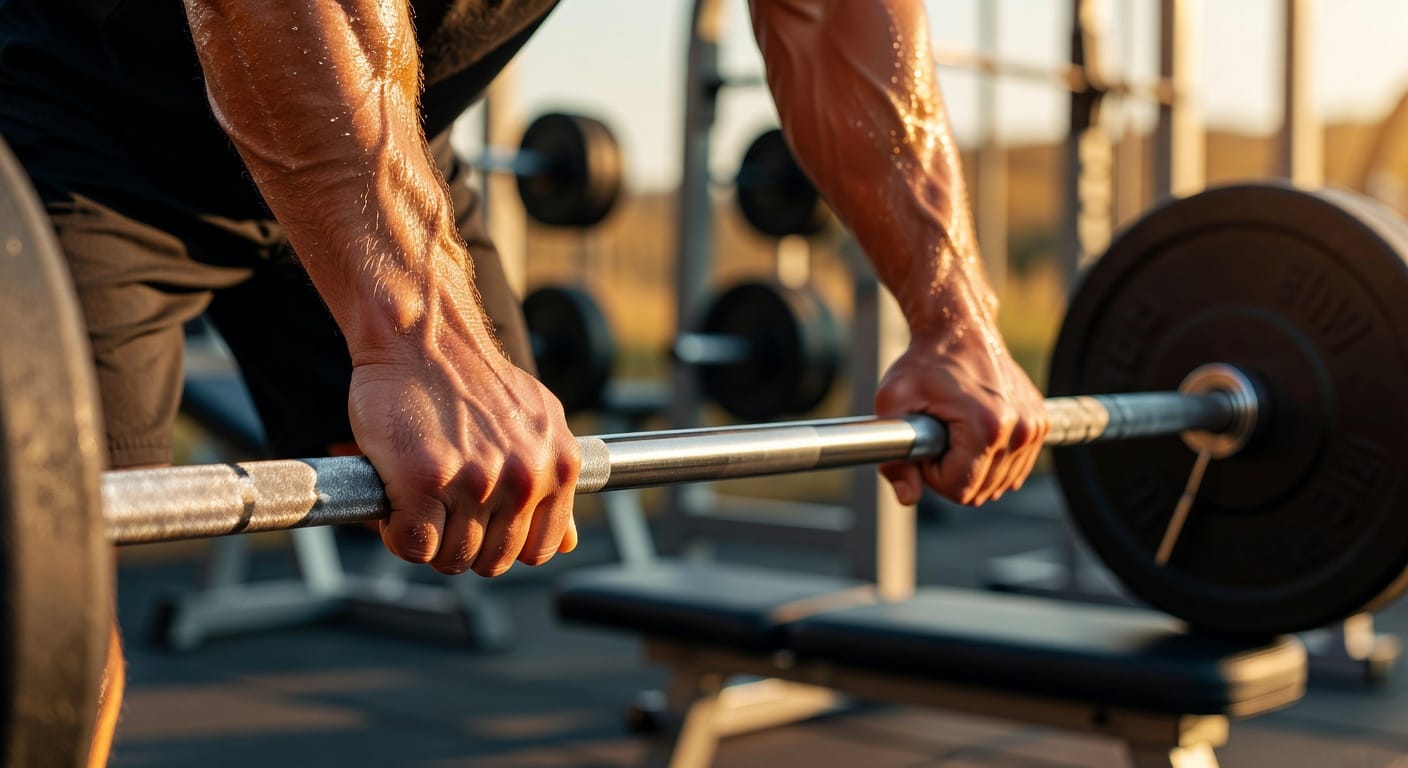
When I first started getting serious about fitness about two years ago, I was all about the big lifts. Squats, bench presses, deadlifts - you name it. I'd spend hours at the gym, focusing on building those show muscles. But I started noticing something weird. My forearms would give out long before my back or legs did on deadlifts. My grip was the weak link. It was frustrating, to say the least!
The Unseen Powerhouse: Understanding Grip Strength
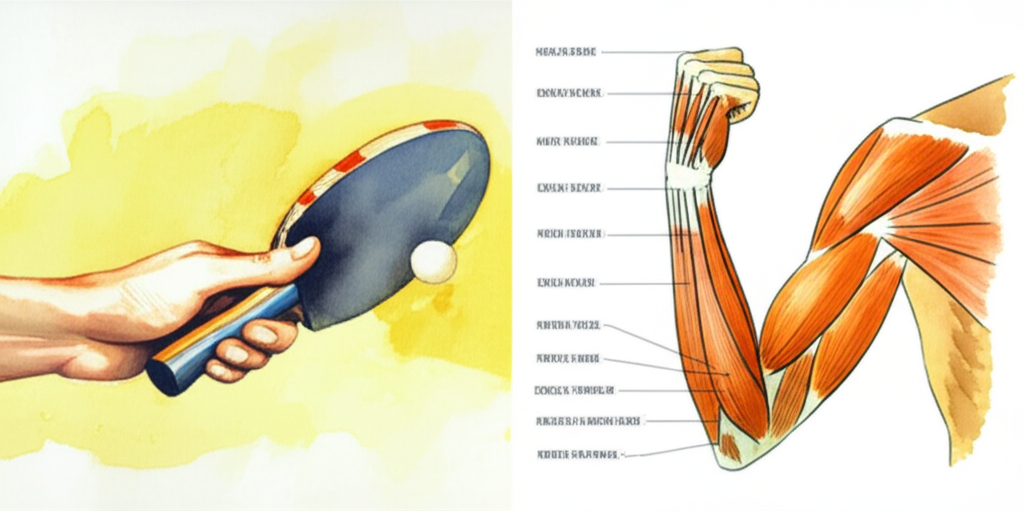
Forearm Anatomy: More Than Just Muscles
Our forearms are complex. They're packed with muscles and tendons that control finger and wrist movements. These aren't just about squeezing; they're crucial for stabilization and fine motor control. When you grip something tightly, you're activating multiple muscle groups, including flexors, extensors, and intrinsic hand muscles.
The science behind it is pretty cool. These muscles work in a coordinated way. They transfer force from your larger muscle groups, like your back and shoulders, to whatever you're holding. Stronger forearms mean better force production and control. It's like having a more efficient power cable connecting your brain to your action.
The Carryover Benefits: From Gym Lifts to Daily Life
This is where it gets really interesting. A strong grip isn't just for rock climbers or weightlifters. It has massive carryover benefits. For compound lifts like deadlifts, rows, and pull-ups, your grip often fails before the target muscles do. Improving your grip means you can lift heavier weights for longer, stimulating more muscle growth.
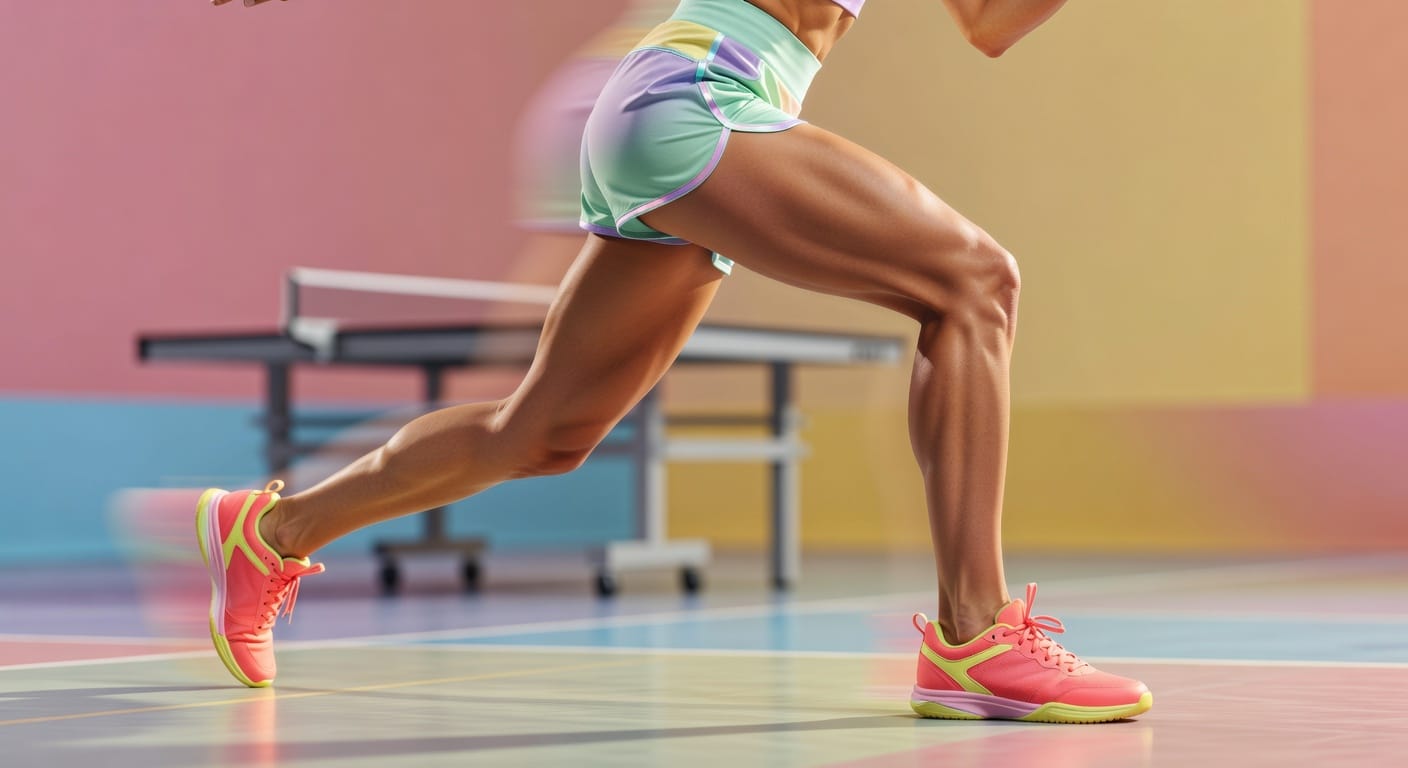
Think about racket sports. A powerful, stable grip allows for better racket head speed and control. This translates to harder serves, more accurate shots, and less fatigue during long matches. Even for everyday tasks, like opening jars or carrying heavy bags, a strong grip makes life easier and safer.
My Forearm Struggle: A Micro-Story from My Journey
I remember a specific gym session about a year and a half ago. I was trying to set a new personal best on my deadlifts. I loaded up the bar, feeling strong. I pulled, and the weight came up, but my fingers just couldn't hold on. The bar slipped, and the weight crashed down. I was so disappointed. My back was ready, my legs were ready, but my grip just wasn't. It was a wake-up call. I realized I'd been neglecting a crucial part of my training. That day, I decided to make forearm and grip strength a priority. It wasn't easy, but the payoff has been huge.
Injury Resilience: Protecting Your Joints
Beyond performance, a strong grip can also protect your joints. When your grip is weak, your body compensates. This can put undue stress on your wrists, elbows, and even shoulders. Stronger forearms and hands help to stabilize these joints, reducing the risk of overuse injuries like tennis elbow or carpal tunnel syndrome.
It's like building a strong foundation for a house. A weak foundation can lead to cracks in the walls. A weak grip can lead to pain and injury in your joints. Strengthening your grip is essentially strengthening your body's natural protective mechanisms.
| Metric | Baseline (No Specific Grip Training) | After 12 Weeks of Grip Training | Improvement % |
|---|---|---|---|
| Max Deadlift Weight | 120 kg | 135 kg | 12.5% |
| Max Pull-ups | 8 Reps | 11 Reps | 37.5% |
| Table Tennis Forehand Power (Speed Gun) | 70 km/h | 78 km/h | 11.4% |
| Reported Wrist Pain (Weekly Avg) | 2.5 episodes | 0.8 episodes | -68.0% |
Your Grip Strength Training Blueprint
So, how do you actually build this crucial strength? It's all about progression and smart integration. You don't need a ton of fancy equipment. We'll focus on compound movements, specific grip exercises, and even some sport-specific drills.
Pillar 1: Foundational Grip Work (Equipment-Free)
You can start right now with just your hands. These are simple, effective, and can be done anywhere.
- ometrics (Squeezing and Holding): Simply clench your fists as hard as you can for 10-15 seconds, then relax. Repeat 5-10 times. This builds endurance.
- Finger Extensions: After squeezing, spread your fingers wide. This works the opposing muscles and improves balance.
- Towel Wrings: Grab a small towel, soak it, and wring it out as hard as you can.
- Object Gripping: Find various objects - a stress ball, a dense book, a water bottle - and practice holding them with increasing pressure.
Pillar 2: Integrating Grip into Your Strength Routine
Here's how to weave grip work into your existing gym sessions. Remember to listen to your body and progress gradually.
- Deadlifts: Instead of always using straps, try to build up to doing your working sets with an overhand or mixed grip. This is gold for grip strength.
- Rows and Pull-ups: Focus on a solid grip. You can also incorporate farmer's walks (carrying heavy dumbbells or kettlebells) at the end of your workout.
- Plate Pinches: Hold two weight plates together by their smooth sides, and see how long you can hold them. Start with lighter plates and increase weight or hold time.
- Fat Gripz/Thick Bar Training: If your gym has them, these tools make any barbell or dumbbell significantly harder to grip, forcing your forearms to work overtime.
Pillar 3: Sport-Specific Applications
Let's tailor this to some popular activities.
Table Tennis Specifics:
For table tennis, it's all about endurance and explosive power in the wrist and forearm. Think about drills like:
- Wrist Curls and Reverse Wrist Curls: Using light dumbbells, focus on controlled movements.
- Towel Snaps: Imagine snapping a towel with all your might, focusing on the wrist action. This builds explosive power.
- Grip Endurance Drills: Hold your paddle with a firm grip for extended periods during practice, simulating match conditions.
Racket Sports (Tennis, Badminton):
Similar to table tennis, but often with heavier rackets. Focus on strengthening the muscles that control the wrist and stabilize the forearm to prevent common injuries like tennis elbow.
Climbing:
This is where grip is king. Hangboard training, extensive climbing sessions, and specific finger strengthening exercises (like using grip trainers) are essential.
"The foundation of athletic prowess isn't always visible. Sometimes, the greatest strength lies in the hands that grip, hold, and control - a testament to functional longevity."
Intelligent Integration and Long-Term Wellness
The key is *intelligent* integration. You don't need to dedicate entire workouts to grip training. Adding a few targeted exercises at the end of your regular sessions or on active recovery days is usually enough. Consistency is more important than intensity when you're starting out.
For instance, after a leg day, spend 10 minutes doing some plate pinches and towel wrings. After a pull day, do some farmer's walks. These small additions add up significantly over time. Remember, this isn't just about getting stronger; it's about building a body that's resilient and capable for decades to come. Think of it as an investment in your future self.
For those looking for more structured plans or advanced techniques, resources like NASM (National Academy of Sports Medicine) offer great insights into program design. You can also find countless technique demonstrations on platforms like YouTube.
Building superior grip strength is a game-changer. It's the silent force multiplier that enhances performance, prevents injuries, and contributes to overall functional longevity. Don't underestimate the power in your hands. Start incorporating these simple yet effective strategies today, and you'll be amazed at the difference it makes. Let's build stronger hands, stronger bodies, and stronger lives together. Join the Topspin Club community and let's keep pushing our limits!