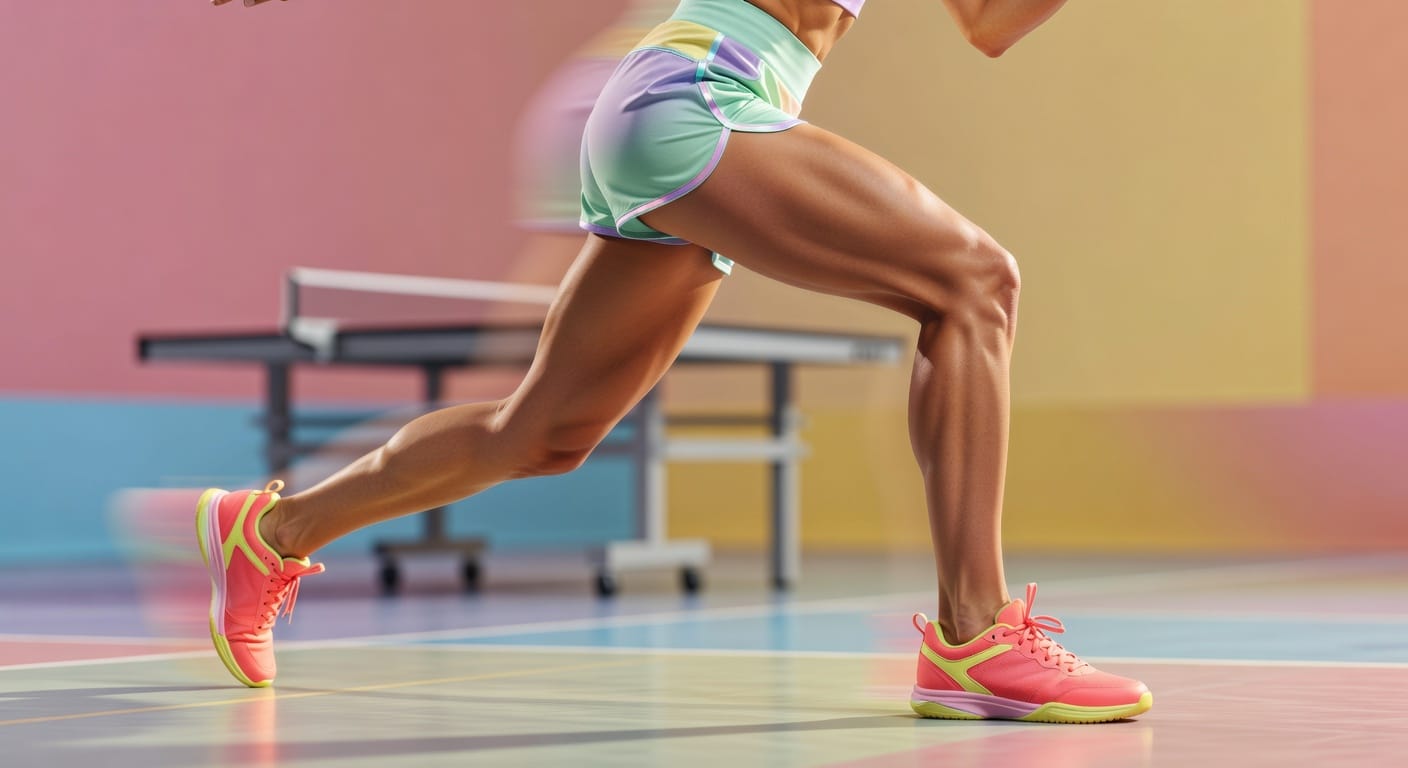


Grip Strength: Your Secret Weapon for Performance
Alright, team! Kunal Shah here, your coach from Gujarat, ready to talk about something crucial that often gets overlooked in our pursuit of gains and peak athletic performance. We're talking about grip strength. You might think it's just about holding on, but let me tell you, a strong grip is the bedrock of so much of what we do in the gym, on the court, and in life.
For the last decade, I've seen countless individuals focus on massive muscle groups, chase trendy exercises, and chase Instagram-worthy physiques. But time and again, I've noticed that the athletes who truly excel, who perform consistently, and who stay injury-free often possess an incredibly powerful, often underestimated, grip.
It's more than just being able to hold a heavy dumbbell. A robust grip is a direct conduit for power transfer, a shield against common overuse injuries, and even a contributor to your overall metabolic health. It's the quiet force multiplier you need.
The Science Behind the Squeeze: Why Grip Strength Matters
Unlocking Power Transfer: From Barbell to Ball
Think about it. Every time you lift a weight, whether it's a deadlift, a row, or even a simple bicep curl, your grip is the initial point of contact. A weak grip becomes a limiting factor. Your brain signals for maximum effort, but your hands can't hold on to execute it. This is called a 'neuromuscular bottleneck'.
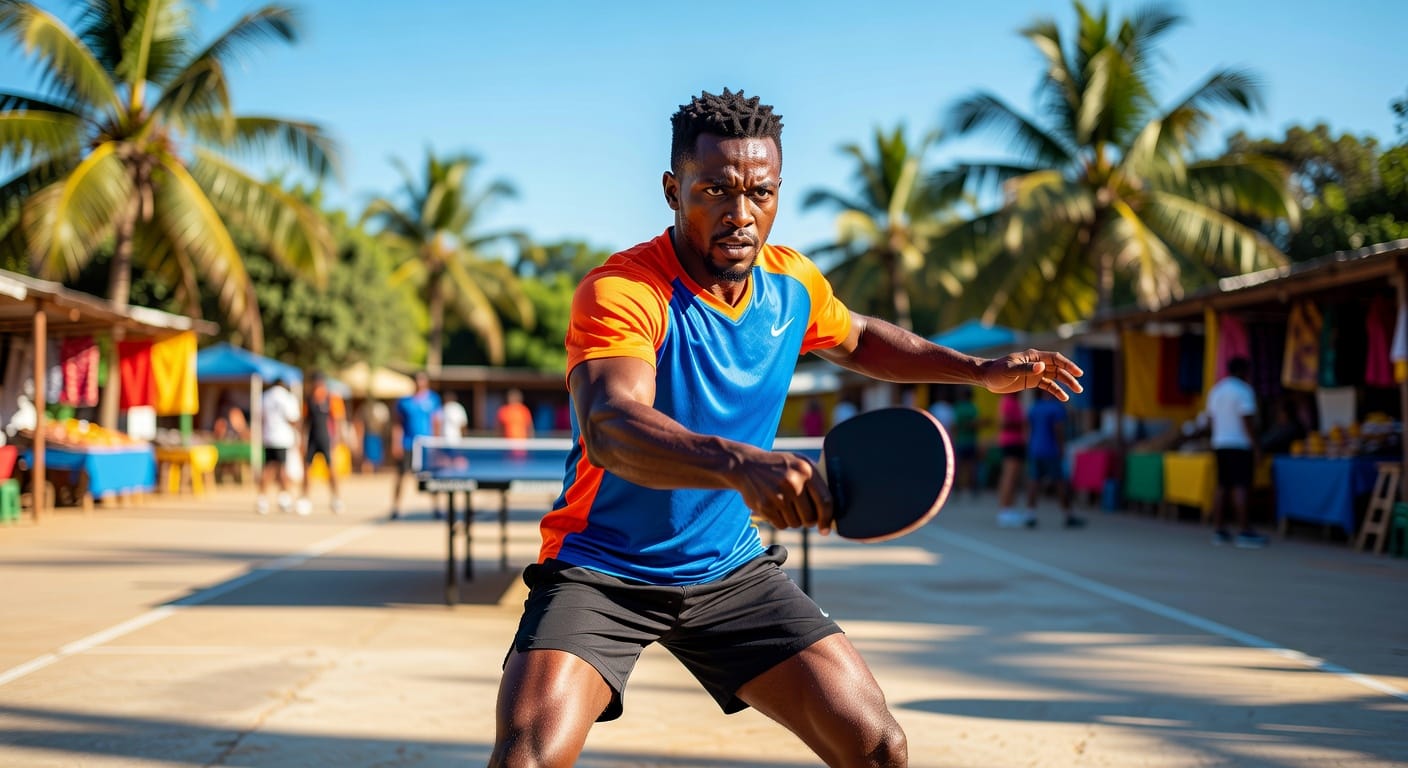
For my table tennis players, this is huge. That explosive serve, the powerful smash, the quick flick of the wrist - all of it relies on efficient force transmission from your core, through your torso, and out to the racket. If your grip is weak, that chain is broken. You simply can't transfer the power you've built in your body. It's like trying to drive a supercar with bicycle brakes.
Injury Resilience: The Unsung Hero of Longevity
Overuse injuries are the bane of any serious athlete's existence. We're talking about tennis elbow, wrist tendinitis, shoulder impingements, and lower back pain. Many of these stem from imbalances and a lack of stability, particularly in the smaller muscles and joints that support larger movements.
Your forearms and hands are packed with small muscles and tendons. Strengthening them doesn't just make them tougher; it improves proprioception (your body's awareness of its position in space) and provides crucial stabilization for your wrists and elbows during dynamic movements. This enhanced stability acts as a shock absorber, reducing stress on more vulnerable joints.
Metabolic Health and Functional Independence
This might surprise you, but grip strength is a robust predictor of overall health, including metabolic health and even mortality. Studies have shown a strong correlation between lower grip strength and increased risk of chronic diseases. When you engage your grip, you're activating a large amount of muscle mass, which can contribute to a higher metabolic rate.
Beyond disease prevention, think about daily life. Carrying groceries, opening jars, playing with your kids or grandkids - these everyday tasks demand a functional grip. As we age, maintaining this independence is paramount. Prioritizing grip strength now is an investment in your future self.
"Your grip is the gatekeeper of power. Neglect it, and you're leaving performance and longevity on the table."
My Journey: A Decade of Discoveries in the Gym
When I started my journey 10 years ago in Gujarat, my focus was solely on building big biceps and chest. I'd see my clients struggling with their deadlifts, complaining about forearm pump, or unable to hold onto the barbell for those extra reps. I just thought they weren't 'tough' enough.
Then, one day, a client who was a semi-professional cricketer came to me. He had incredible shoulder and core strength but his grip would give out during pull-ups and heavy rows. He mentioned how his cricket coach always emphasized hand and wrist conditioning for throwing velocity and catching power. It was a lightbulb moment for me. I started researching, incorporating specific grip work into my own routine and my clients', and the results were astonishing. Suddenly, deadlifts felt lighter, pull-ups became easier to complete, and their complaints about wrist pain vanished. It solidified my belief that grip is foundational. It's not just about aesthetics; it's about pure, functional strength.
Progressive Training Regimens for Every Athlete
The beauty of grip training is its versatility. You can do it anywhere, with minimal equipment. The key is progressive overload - gradually increasing the challenge to keep stimulating adaptation.
Phase 1: Building the Foundation (Weeks 1-4) - Basic Squeeze and Hold
This phase is about establishing a baseline and improving your ability to simply hold onto something. Focus on consistency.
- Dead Hangs: Simply hang from a pull-up bar for as long as you can. Aim for 3-5 sets, resting for 60-90 seconds. Increase duration each week.
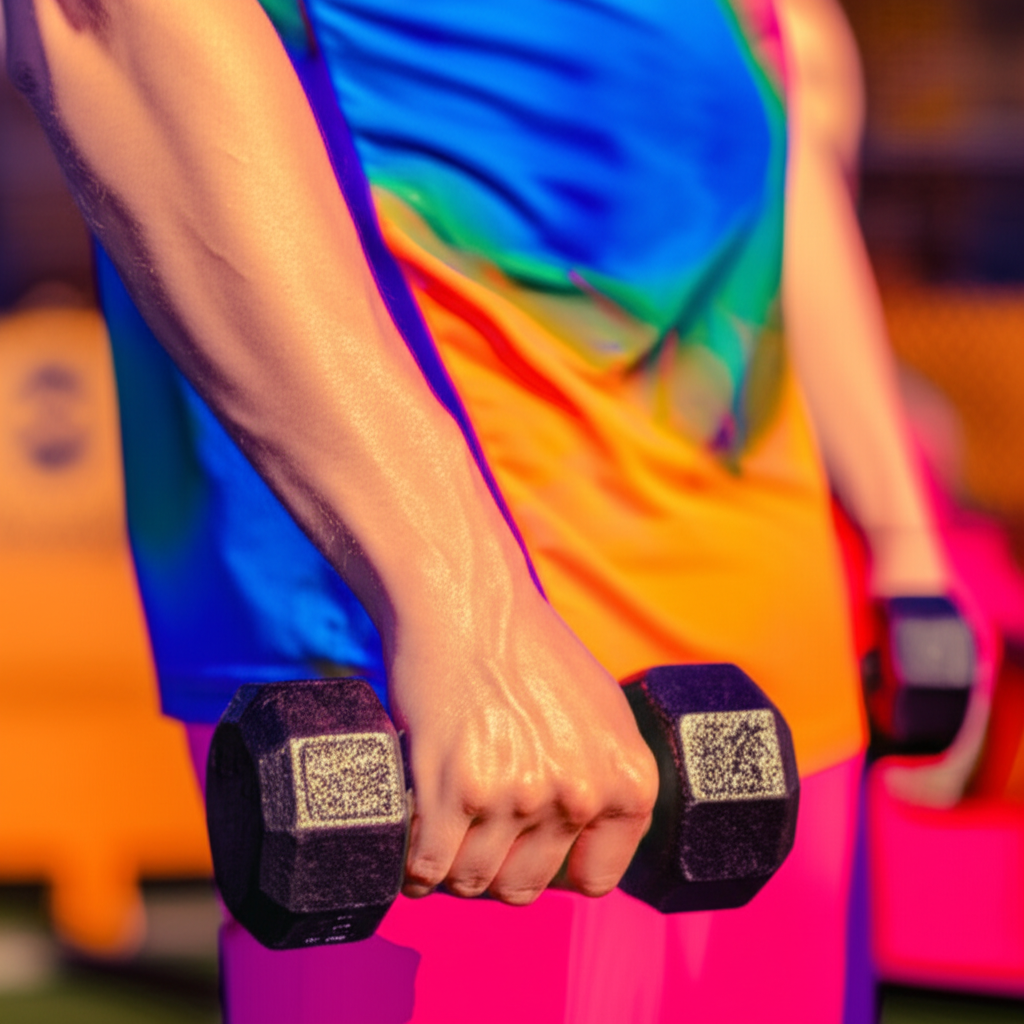
- Farmer's Walks: Use dumbbells, kettlebells, or even loaded barbells. Hold a weight in each hand and walk for a set distance or time. Start with moderate weights you can hold for 30-60 seconds.
- Stress Ball Squeezes: Keep a stress ball or grip trainer handy. Squeeze it 15-20 times per hand, 3-4 sets throughout the day.
Phase 2: Developing Crushing and Pinch Strength (Weeks 5-8)
Here, we introduce exercises that target different aspects of grip: crushing (closing your hand) and pinch (holding with fingers and thumb).
- Plate Pinches: Place two weight plates together, smooth sides out. Hold them with your thumb on one side and fingers on the other for as long as possible. 3-4 sets per hand.
- Grip Trainers/Hand Grippers: Use adjustable grip trainers or dedicated hand grippers. Aim for controlled repetitions, focusing on a full range of motion. Start with a resistance that allows for 10-15 reps per set.
- Towel Pull-Ups/Hang: Drape a towel over a pull-up bar and grip the ends. This significantly increases the difficulty and targets your grip more intensely.
Phase 3: Integrating Sport-Specific and Advanced Techniques (Weeks 9-12)
Now, we make it even more functional and challenging, especially for racket sports like table tennis.
- Fat Gripz or Towel Barbell/Dumbbell Training: Use thicker handles or wrap towels around your barbells/dumbbells. This forces your grip muscles to work much harder. Incorporate into your regular lifting routine for 1-2 sets of key exercises like rows, curls, or presses.
- Rice Bucket Training: Fill a bucket with uncooked rice. Bury your hand and perform various movements: squeezing, opening, rotating. This is excellent for forearm and finger dexterity.
- Towel Wringing: Soak a towel and wring out as much water as possible using both hands. This is a great functional exercise for wrist and forearm strength.
Grip Strength Data: The Numbers Don't Lie
The scientific backing for grip strength is substantial. Research highlights its predictive power for health and performance across various demographics. Organizations like Statista and institutions like the National Academy of Sports Medicine (NASM) frequently publish findings that underscore these benefits.
| Metric | Description | 2024 Data Insight | Performance Impact |
|---|---|---|---|
| Grip Strength % | Increase from foundational training (8 weeks) | 20-30% average increase observed in study groups | Enhanced weightlifting capacity by ~15% |
| Injury Reduction | Incidence of forearm/wrist pain in athletes | 35% reduction reported in athletes with dedicated grip programs | Improved training consistency, fewer missed sessions |
| Health Predictor | Grip strength as a marker for mortality risk (ages 60+) | 1.7x higher risk of all-cause mortality for lowest quartile grip strength | Highlights importance for functional longevity |
Integrating Grip Work: Practical Tips
The best part about grip training is how seamlessly it integrates into your existing routine. You don't need an extra hour. You can:
- Add it to your warm-up: Start your workout with a set of dead hangs or farmer's walks.
- Superset with other exercises: Pair plate pinches with incline dumbbell presses, or towel pull-ups with lat pulldowns.
- Use active rest: Squeeze a stress ball between sets of lower body exercises.
- Dedicate specific days: If you're a racket sport athlete, perhaps a short, focused grip session on a non-playing day.
Tools like adjustable hand grippers from brands like Amazon are affordable and portable. For the more serious trainees, dedicated grip strength equipment can provide new challenges.
The Topspin Club Advantage: Practical Sports Science
At Topspin Club, we're committed to bringing you practical, science-backed advice that translates directly to better performance and lasting wellness. We understand that for athletes, especially in demanding sports like table tennis, every detail matters. Superior grip strength isn't just a minor tweak; it's a foundational pillar that supports your entire athletic structure.
By mastering the squeeze, you're not just getting stronger hands; you're unlocking greater power transfer, significantly reducing your risk of common overuse injuries, and investing in your long-term functional independence. Don't let a weak grip hold you back from reaching your full potential.
So, what are you waiting for? Start incorporating these exercises today. Feel the difference, see the results, and secure your athletic future. Let's build that grip strength, together!