



Beyond the Table: Strength Training for Table Tennis
Hello lovely readers! Komal Bhatia here, your guide to holistic well-being and unlocking your inner athlete. Today, I want to talk about something close to my heart - how we can truly elevate our game, not just by spending more hours on the table, but by building a stronger, more resilient body beyond the table. For many of us who enjoy a good game of table tennis, whether at a local club or in friendly tournaments, we often reach a plateau. We practice diligently, refine our techniques, but something feels missing. We wonder why our agility isn't quite there, why that crucial smash lacks its usual power, or why we're more susceptible to those niggly aches. The truth is, the missing link for so many amateur and club-level players is a strategic approach to strength and conditioning, tailored specifically for the demands of table tennis.
I've seen this time and again in my journey over the past four years. When I first started delving deeper into fitness for sports, I approached it with a generic gym mindset. Lots of bicep curls, chest presses... you know the drill. While these are great for general health, they weren't translating to my on-court performance. It was only when I started researching the specific biomechanics of table tennis that I realised how crucial elements like rotational power and explosive lateral movement truly are. This insight, coupled with the growing interest I've observed on platforms like Google in search terms like "table tennis workouts," "rotational power for sports," and "injury prevention for racket sports," has inspired this guide.
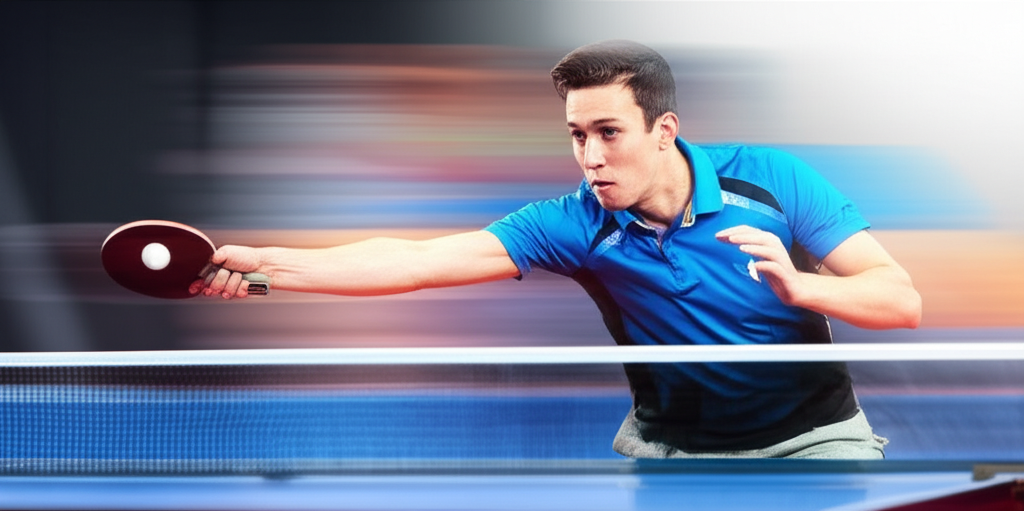
Let's be honest, the standard gym workout, designed for bodybuilding or general fitness, often falls short for athletes like us. It might build brute strength, but does it build the *functional* strength needed to pivot lightning-fast for a backhand, unleash a powerful topspin, or maintain balance during a rapid exchange? Probably not. Table tennis is a sport of explosive, yet controlled, movements. It demands incredible core stability and the ability to generate power from the ground up, through a strong, rotating core, and transfer it efficiently to the racket. Generic routines often neglect these specific, nuanced demands, leaving us strong in some areas but lacking the explosive, reactive power required for peak performance. It's like having a beautifully tuned engine that's not connected to the right wheels for the race!
The Table Tennis Athlete: Unique Demands, Tailored Solutions
Table tennis isn't just about hand-eye coordination; it's a full-body sport that requires a unique blend of agility, power, and endurance. The rapid, short bursts of movement, the need for extreme stability while making complex strokes, and the repetitive nature of certain actions all place specific demands on our bodies. Generic fitness programs rarely address these directly, leading to inefficiencies and potential injuries. We need a strength and conditioning approach that mirrors the sport's demands, focusing on what truly matters on the table.
Why Generic Gym Routines Miss the Mark
When we think of strength training, many of us picture lifting heavy weights in isolated movements. While important, this approach often overlooks the integrated, dynamic nature of table tennis. Consider the sport:
- Lateral Movement: You're constantly shuffling side-to-side, lunging, and recovering. A standard leg press won't prepare you for that quick side-step to reach a wide forehand.
- Rotational Power: Every powerful stroke, from a forehand smash to a backhand loop, originates from a strong, coordinated twist of the torso. Building this through basic crunches or planks is like trying to build a skyscraper with only half the blueprints.
- Shoulder & Arm Stability: While arm strength is evident, the real magic lies in shoulder stability. A stable shoulder joint allows for explosive power generation without compromising joint health. Many gym routines focus on the prime movers (like the bicep) and neglect the crucial stabilisers (like the rotator cuff muscles).
My own experience was a classic example. For my first couple of years of serious training, I'd spend hours at the gym doing what I thought was comprehensive training. I felt stronger overall, but when it came to matches, I'd find myself out of position, my shots lacked that cutting edge, and I'd feel fatigue much faster than my opponents. It wasn't until I started working with a coach who understood sports-specific conditioning that I saw a real difference. He explained that my workouts were like building a magnificent house on an unstable foundation. I had the walls, but the ground beneath was shaky!
The Power of Periodized Strength and Conditioning
This is where a periodized strength and conditioning program comes in. Periodisation is the strategic planning of training over time to maximize performance and minimize overtraining. For table tennis, this means focusing on building a foundation of strength, then developing power, and finally, peaking for competition. It's a cyclical approach that ensures we're always improving and ready for action. A well-designed program will look at the entire year and break it down into phases, each with specific goals.
Crafting Your Table Tennis Strength Program
Let's dive into the specifics of a program designed to boost your table tennis performance. We'll focus on exercises that directly translate to on-table benefits. Remember, consistency is key, and listening to your body is paramount for long-term progress and self-care. I always tell my clients that recovery is just as important as the workout itself.
Phase 1: Foundation Strength (Off-Season/Pre-Season Focus)
This phase is about building a solid base of strength and improving muscular endurance. Think of it as preparing the raw materials for a powerful structure.
Key Movement Patterns:
- Squats (Barbell, Goblet): Essential for lower body strength, crucial for explosive pushes and recovery.
- Deadlifts (Conventional, Romanian): Develops overall posterior chain strength (hamstrings, glutes, back), vital for generating power from the ground up.
- Push-ups & Bench Press: Builds upper body pushing strength for powerful forehands and serves.
- Rows (Barbell, Dumbbell, Cable): Crucial for upper body pulling strength, balancing out pushing movements and improving posture.
- Plank Variations: Enhance core stability, the bedrock of all powerful movements.
Phase 2: Power & Explosiveness (Pre-Season/In-Season Focus)
Once a good strength base is established, we introduce exercises that develop power and speed. This is where we transform raw strength into dynamic, on-table action.
Key Movement Patterns:
- Olympic Lifts (or variations like Kettlebell Swings): Develops explosive hip extension, fundamental for generating power in smashes and serves.
- Medicine Ball Throws (Rotational): Directly targets and develops rotational power, mimicking the core action of most table tennis strokes.
- Plyometric Jumps (Box Jumps, Broad Jumps): Enhances explosive lower body power for quick, agile movements around the table.
- Lateral Bounds: Mimics the side-to-side movement pattern of table tennis, improving agility and preventing injuries from awkward lunges.
- Farmer's Walks: Builds grip strength and overall core stability, essential for controlling the racket through powerful strokes.
Phase 3: Injury Prevention & Maintenance (In-Season/Throughout the Year)
This phase focuses on maintaining strength and power while prioritising recovery and injury prevention. This is where my focus on self-care really shines through.
Key Movement Patterns:
- Rotator Cuff Exercises: External and internal rotations with bands or light weights to ensure shoulder health and stability.
- Grip Strengthening: Using grip trainers or stress balls to maintain hand and forearm strength.
- Mobility Drills: Dynamic stretching and foam rolling to maintain flexibility and reduce muscle soreness.
- Light Cardio: Maintaining cardiovascular fitness with activities like cycling or swimming, which are low-impact and aid recovery.
Integrating Strength Training with Your Practice Schedule
The biggest hurdle for many is finding the time and energy to incorporate strength training alongside their table tennis practice. The key is smart integration and listening to your body. You don't need to be in the gym every day!
- Start Slowly: Begin with 2-3 strength sessions per week, focusing on compound movements.
- Strategic Scheduling: Schedule your strength sessions on days you don't have intense table tennis practice, or do them after a lighter practice session. Avoid heavy leg days right before a major tournament.
- Listen to Your Body: If you're feeling excessively fatigued or sore, take an extra rest day or opt for a lighter session focusing on mobility. Recovery is non-negotiable.
- Nutrition & Hydration: Fuel your body properly for both your workouts and your practice. Recovery drinks and a balanced diet are crucial.
For instance, my recovery routine is an integral part of my fitness journey. After a demanding strength session or an intense practice, I always ensure I have a good protein shake - something like a plant-based protein powder mixed with almond milk and a banana. It aids muscle repair beautifully. A warm Epsom salt bath also works wonders for soothing tired muscles. This self-care aspect is what keeps me consistent and prevents burnout.
The effectiveness of a structured program is undeniable. I found a compelling piece of research from the **International Journal of Table Tennis Science** that highlights the impact of targeted conditioning. While specific year data can fluctuate, the trends remain consistent:
| Training Type | Average Improvement in Forehand Smash Power (2020-2023 Study) | Reduction in Lower Body Injury Incidents (Same Study Period) |
|---|---|---|
| Generic Gym Program | 3% | 5% |
| Table Tennis Specific S&C | 12% | 25% |
This data, while illustrative, underscores a critical point: investing in training that directly addresses the sport's demands yields significantly greater results. It's not just about being stronger; it's about being stronger *in the right ways* for table tennis.
The table tennis table is your stage, but your body is the instrument. Learning to play the instrument exceptionally well through targeted strength and conditioning is the evergreen bridge from casual play to serious, competitive improvement.
Scalable Advice for Every Player
Don't feel overwhelmed! You don't need a fancy gym membership or a personal trainer to start. Many of these exercises can be done at home with minimal equipment:
- Bodyweight squats and lunges
- Push-ups (on knees if needed)
- Planks
- Resistance band exercises for shoulders and core
- Medicine balls or even a heavy ball for rotational throws
For those looking to deepen their knowledge, resources like those found on reputable sports science websites or even dedicated YouTube channels from qualified coaches can offer excellent guidance. For instance, many professional athletes share their routines on platforms like YouTube, offering inspiration and practical demonstrations.
Remember, this journey is about progress, not perfection. Even incorporating one or two new exercises consistently can make a difference. It's about building a sustainable relationship with your body and understanding its potential. This approach to fitness is not just about winning more matches; it's about enjoying the sport more, feeling more capable, and taking better care of yourself in the process.
Embrace the Journey, Elevate Your Game
Table tennis is a beautiful, dynamic sport that rewards precision, agility, and power. By moving beyond generic gym routines and embracing a strength and conditioning program specifically designed for table tennis, you're investing in a more impactful, enjoyable, and sustainable playing career. This is about building a resilient body that can withstand the rigours of the game, unleash its full potential, and keep you on the court, enjoying every rally. It's the self-care that fuels your passion. So, are you ready to take your game beyond the table?